Challenge No. 10 – Currywurst

This recipe was suggested by my friend Jenni and is a fast food dish originating from Germany. I’ve never tried currywurst and was at first a little apprehensive.  I had flashbacks to a show and tell presentation whilst at primary school where I took in another common German dish, sauerkraut.  I have absolutely no idea why I was presenting this, of all things, but I do remember I did not like it one bit!  And so, when Jenni suggested currywurst, I immediately googled it to make sure it wasn’t related in any way to sauerkraut.  Thank goodness it wasn’t.  It is basically a german sausage smothered in a curried tomato sauce and it is often served with chips and/or a crunchy bread roll.

I set of in search of a suitable recipe and decided to use this one.  The recipe calls for the following ingredients:-

  • 2 Tbsp canola oil
  • 1 large onion, chopped
  • 2 Tbsp curry powder
  • 1 Tbsp paprika powder
  • 15 oz can tomato sauce
  • ½ cup (100g) sugar
  • ¼ cup (60ml) red wine vinegar
  • salt to taste
  • 2 bratwurst sausages
  • dinner rolls for serving

Those of you who have been following my posts will know that I always include a photo of the ingredients.  I started this recipe in the same way as all the others, by setting out my ingredients ready for their photo.  However, in doing this, I realised I had made a mistake with my prep!

Before I went shopping for the ingredients, I read through and mentally crossed off anything I already had in the cupboard, which included the curry powder.  However, when I went to get out my curry powder, I realised I had got it wrong! In my head I had thought of the chilli powder sat in the cupboard and mistakenly checked of one of the most vital ingredient! Face-palm moment – who thinks they can made currywurst without the curry?!  Anyway, after a quick emergency trip to the supermarket at 8.30 on a Saturday night, I was all ready to go.

Edited - ingredients

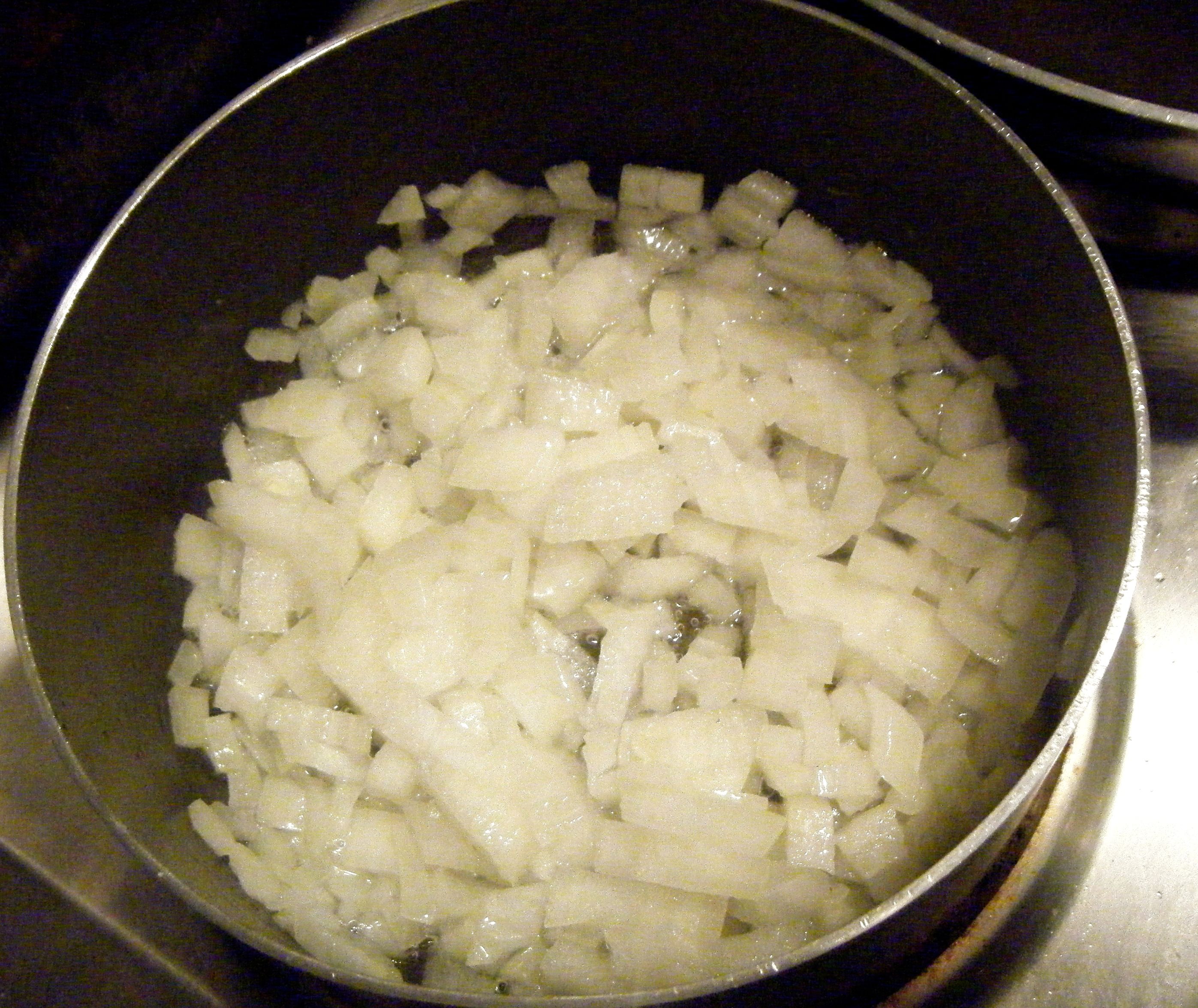
I started by chopping the onions and popping them in the saucepan to soften. 

Practical tip: don’t worry about chopping the onions too small – they get taken out of the sauce before you serve up and are merely there to add flavour.

Edited - onions in pan

Once the onions were soft, I added the curry powder and paprika.  I let this cook for around a minute and then added the remaining ingredients.  Personally, I didn’t add any salt as I didn’t think it needed it but obviously this comes down to personal preference.

Edited - onion and powders Edited - bubbling sauce

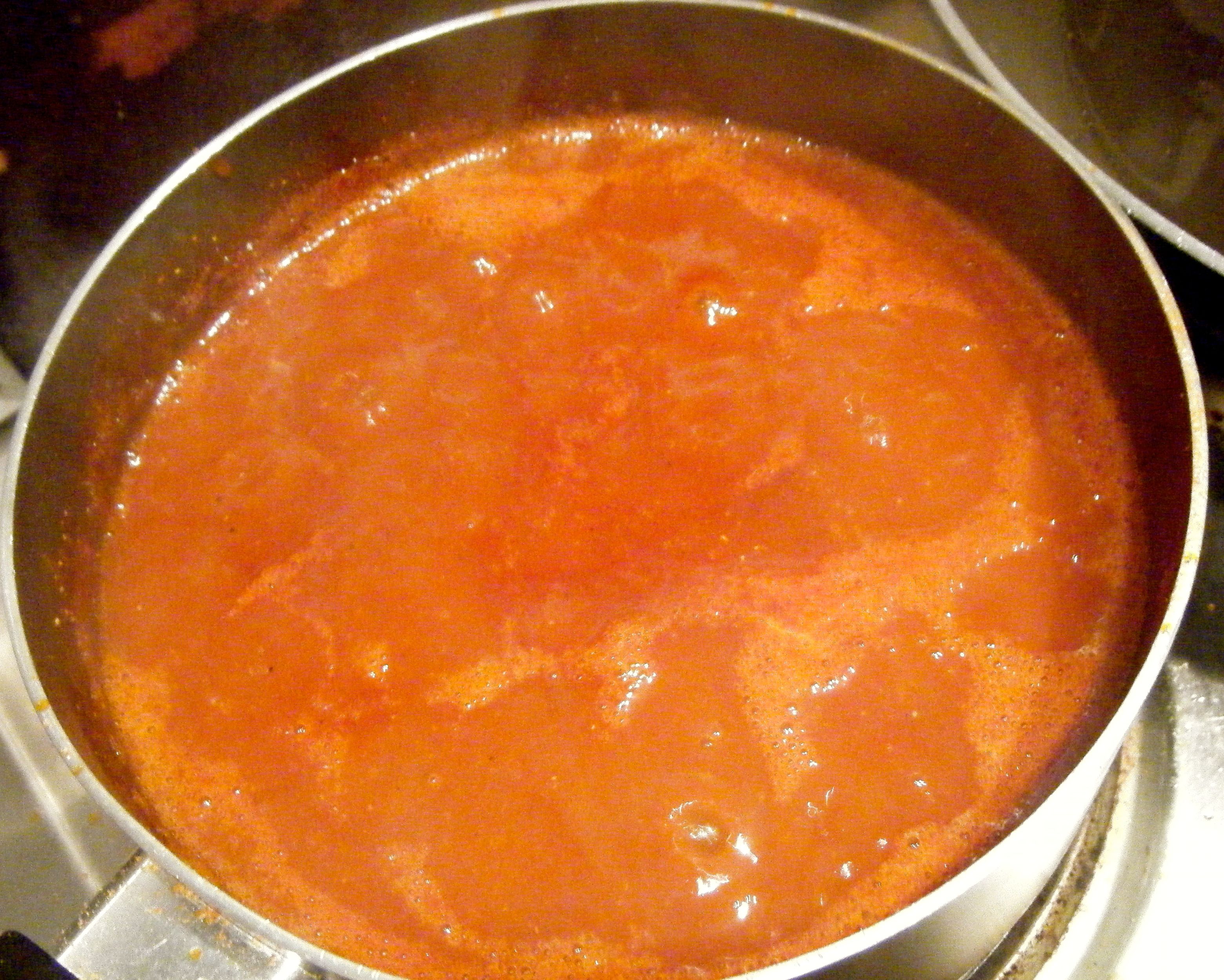
I then let the sauce simmer away for around 20 minutes and got started on the bratwurst.  I opted to cook 3 bratwursts for 2 of us and this worked out to be the perfect serving size.  I heated a little oil in my frying pan and put the sausages in.

I turned the sausages regularly trying to brown all sides.

 Edited - sausage panEdited - cooked sausage

With everything nearly done, I pushed the sauce through my sieve to remove all the lumpy bits of onions and was left with a lovely silky smooth sauce.  I popped this back in the pan and on the heat until ready to serve.

I cut up the sausages and spooned the sauce over the top.  I was a bit reserved with the sauce at first and ended up going back for more because it was just so delicious.  I served up with some slices of crunchy baguette and some yummy curly fries. 

Edited - served up

The verdict – currywurst is absolutely delicious! Whilst we were eating it my boyfriend revealed he was really not looking forward to having this but was surprised at how nice it was.  We did however both agree it was a little sweet and if we have it again (which we will do!), I will put a little less sugar in and probably a little more curry powder. 

One of the best things about this dish was it’s simplicity.  Whilst I cooked it on a Saturday night, it would be a really good mid-week treat and is definitely one I will be doing again!

Coming up next week, Challenge No. 11 – chocolate ganache & cherry tart. 🙂 Hope to see you then. 

Challenge No. 09 – Gluten Free Date, Banana and Rum Loaf (With Disaronno instead of Rum)

I have two friends who can’t eat gluten, one is simply gluten intolerant whereas the other is a celiac.  It’s therefore unsurprising that I have been give a couple of gluten free recipes to try throughout Challenge 52. I thought I’d start with date, banana and rum loaf as suggested by my friend Chloe, who is gluten intolerant.

I did a quick google search for “gluten free date, banana and rum loaf” and it brought up a perfect recipe which ticked all the boxes.  So I decided to use this one.

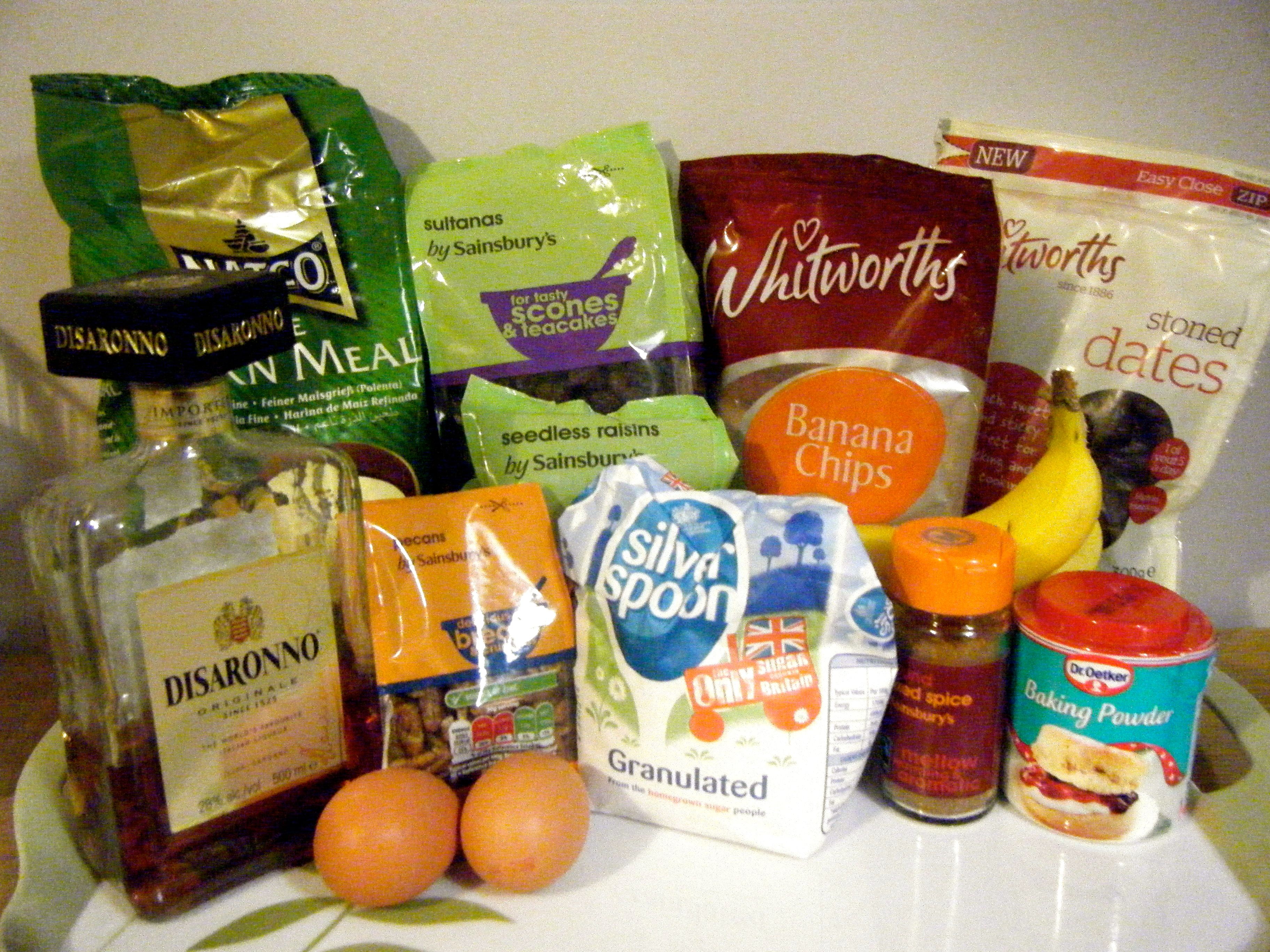
The recipe calls for the following ingredients:-

  • 250g pack stoned, ready-to-eat dates
  • 2 small or 1 large bananas (140g/5oz in weight)
  • 100g pecans, 85g/3oz roughly chopped, rest left whole
  • 200g raisins
  • 200g sultanas
  • 100g fine polenta (also known as cornmeal)
  • 2 tsp mixed spice
  • 2 tsp baking powder (use gluten-free if needed)
  • 3 tbsp dark rum
  • 2 egg whites
  • a few banana chips and 1 tsp sugar (optional), to decorate

First things first, I didn’t have any dark rum in and considering I only needed 3tbsp I didn’t want to buy a full bottle. I therefore opted to make my rum loaf with Disaronno. I suppose this is therefore really a date, banana and Disaronno loaf 🙂

Edited - ingredients

I have to admit, despite having a couple of friends who can’t eat gluten, I’m quite ignorant about what this actually means for their diet.  It’s a new world for me and I really didn’t and still don’t really understand what they can and cannot eat.  I have learnt that gluten is protein found in wheat, and that it helps food to hold its shape.  However, I’ve not managed to get my head round all the places gluten may be hiding. 

This recipe has given me a taste of what it would be like to be gluten intolerant and I must say I do not envy my friends!  I took a look at the “free-from” section in a number of supermarkets and found all of them to be tiny.  Whilst there is generally a selection of ready to eat gluten free food, I felt the range of ingredients available for making food from scratch was not very good at all.  Plus everything had a ridiculous mark-up because it was gluten free.

I thought I was onto a winner with this recipe as there appeared to be nothing which would be a special gluten free ingredient except the baking powder.  My baking powder is already gluten free and I therefore thought it would be nice and easy to go ahead and make it.  However once I had bought all my ingredients, I had a quick look at the comments on the recipe and found out that polenta is not always gluten free! I sent a picture of the pack I’d bought to my celiac friend and she confirmed she would not be able to eat it.  So I popped into a supermarket the next day in search of a suitable product – they didn’t even sell polenta! That night I tried another supermarket and thankfully had success.  However, there was only one gluten free option and the bag was huge!

So anyway, I finally had all my ingredients ready and I got started.

I put 200ml of boiling water into my pan and bought it up to a bubble.  I then added the dates and set the timer for 5 minutes.  Whilst the dates were simmering, I broke up the banana and popped it into my food processor.  Once the 5 minutes where up I drained the dates, being sure to reserve the liquid, which ended up being exactly 100ml!

Edited - simmering dates

I was a bit concerned about adding the hot liquid to my blender and I therefore waited about 10 minutes for the dates and liquid to cool down.  Whilst they were cooling, I chopped my pecans ready to be added to the other dry ingredients.  I have a bit of a thing about textures and don’t like it when I have big crunchy nuts in a soft cake so I chopped the pecans quite small but this is just personal preference. 

Edited - chopped pecans

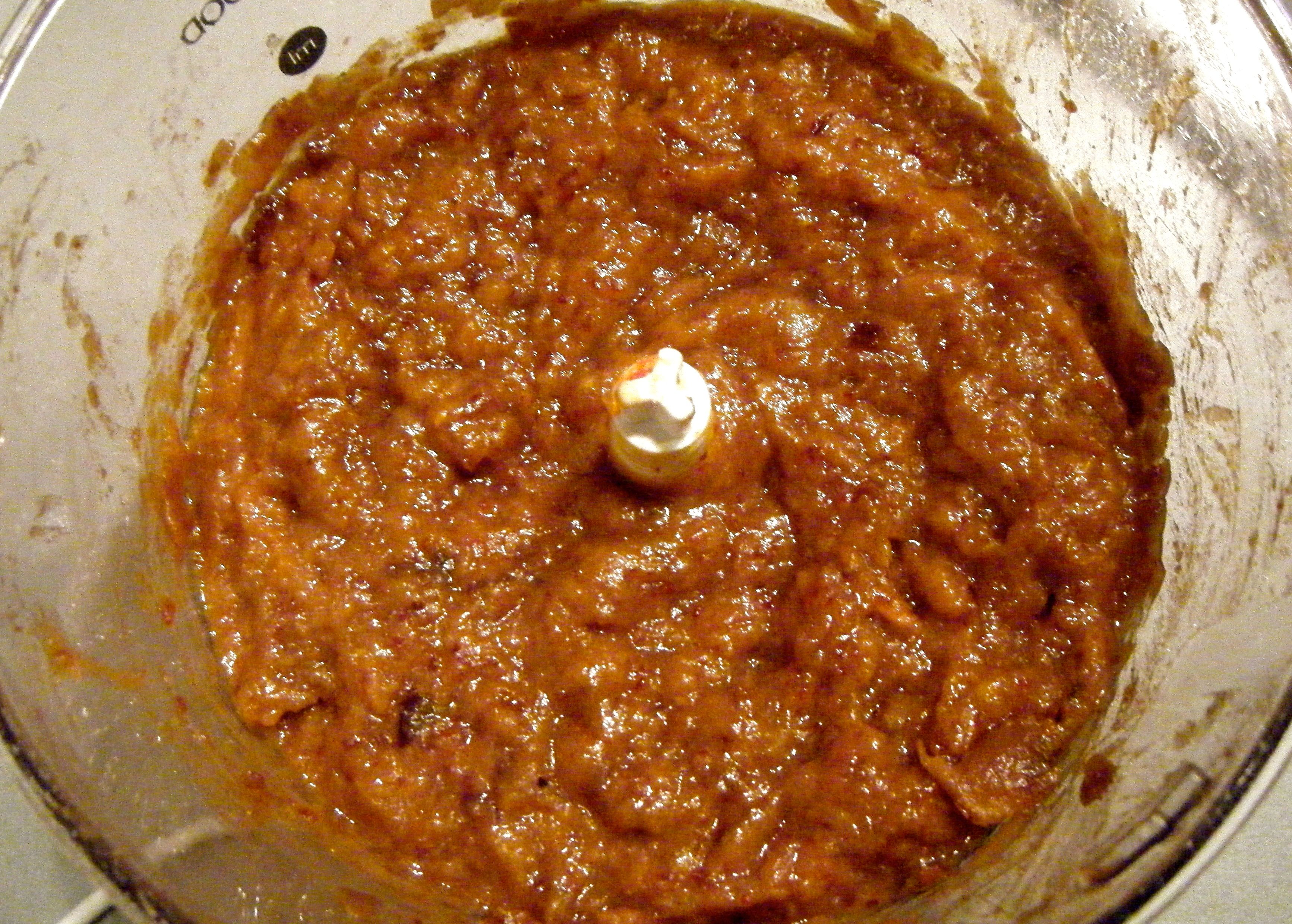
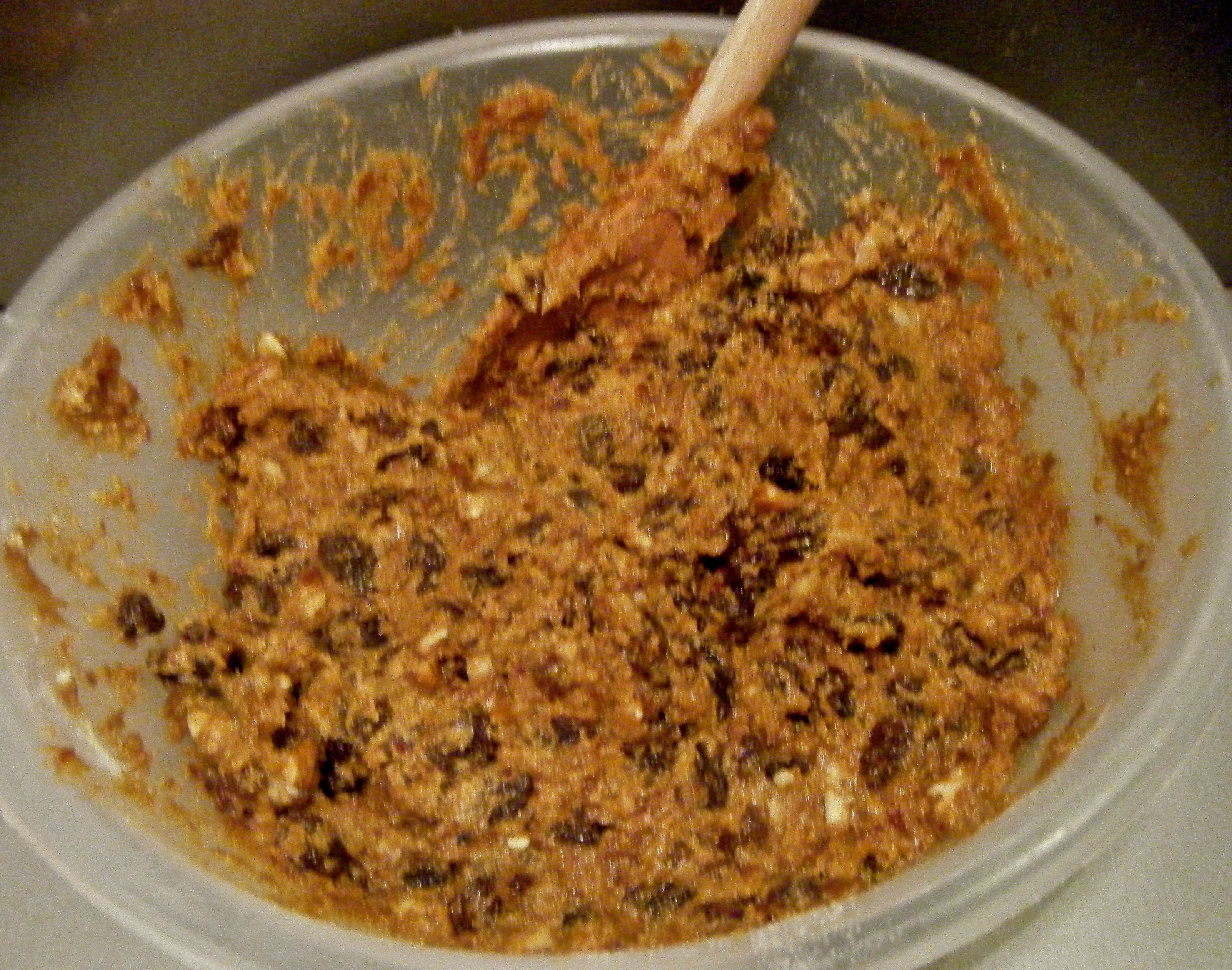
When the hot ingredients had cooled enough, I blitzed the dates, banana and liquid until smooth.  I put all the dried ingredients into a big bowl and added the date/banana purée and the Disaronno.  I then mixed it all together with a wooden spoon until well combined.

 Edited - pureeEdited - dry ingredients

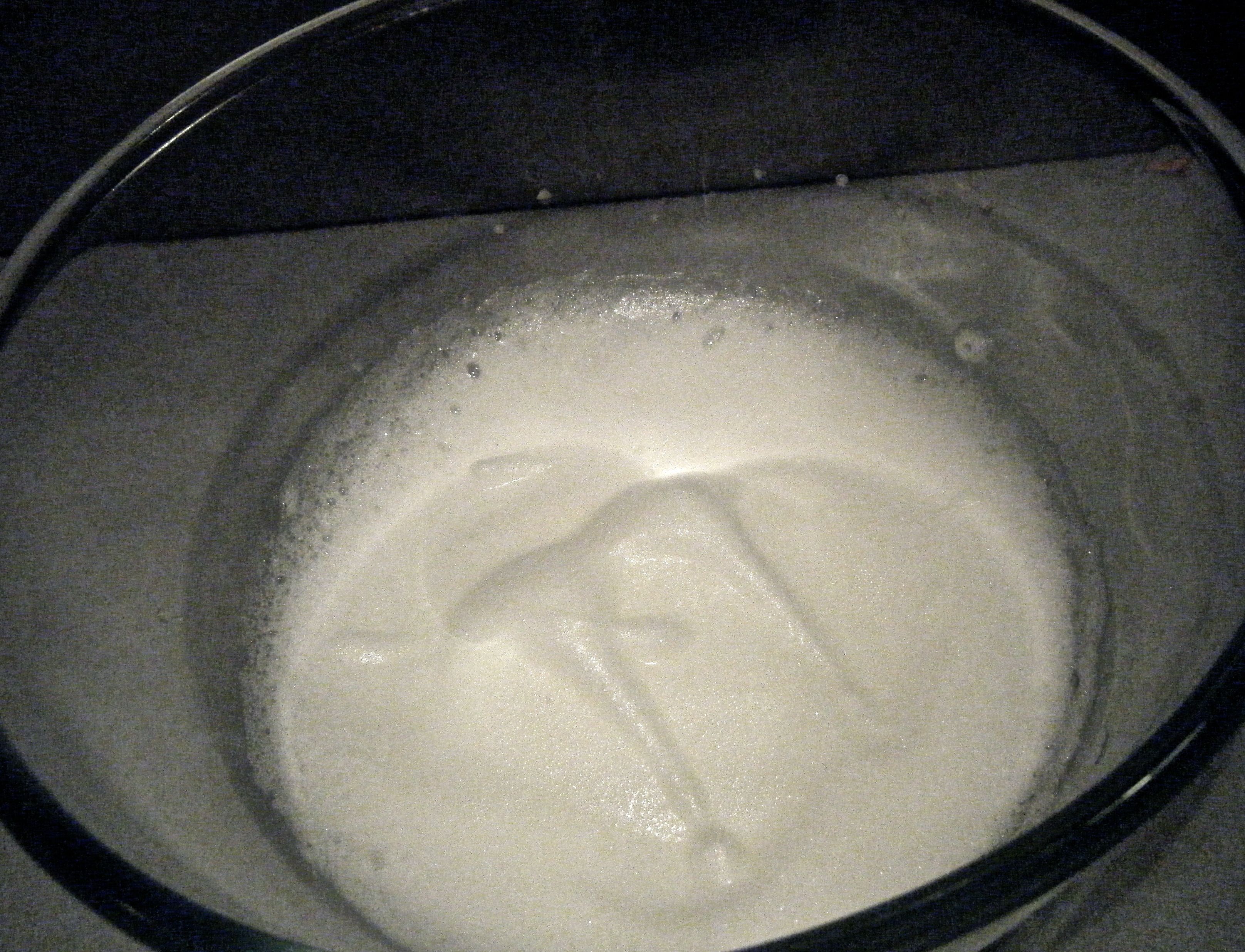
Next, I got out my glass bowl and electric hand whisk to prepare the egg whites.  I beat them until soft peaks formed and then carefully folded the whites into the mix.

Edited - whites

Practical Tip: be careful not to knock the air out of the egg whites when stiring them into the mix.  Cut down vertically into the centre of the mixture and fold the bottom of the mixture up and over the top of the egg whites. Turn the bowl and repeat this action.  Fold slowly and carefully until the egg mix is combined.

Edited - ready for tin

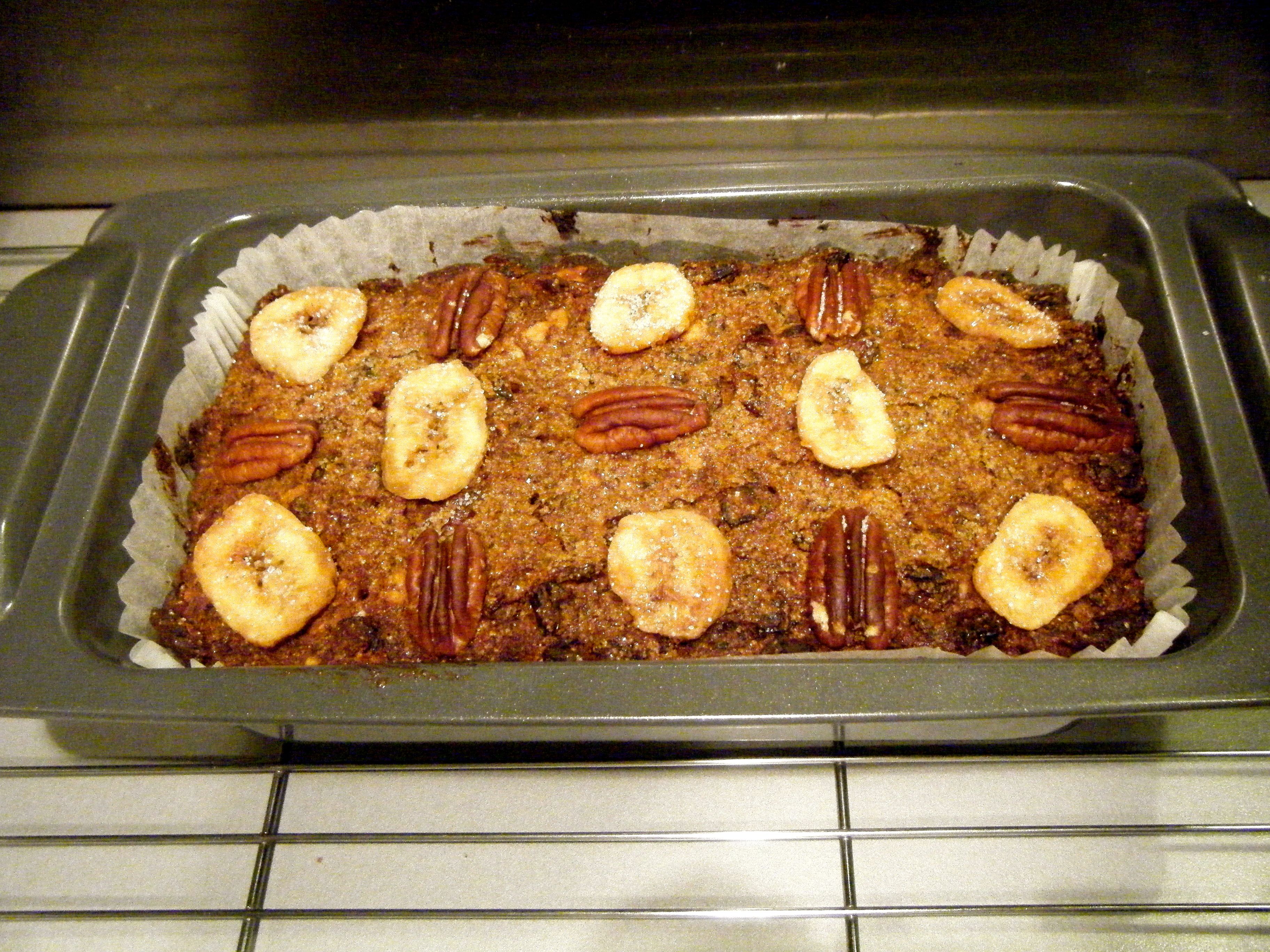
I added the finished mix to my lined tin and decorated the top with the dried bananas, left over pecans and a little bit of sugar. 

Edited - oven ready

I popped the tin in the oven and set the timer for 30 minutes.  When the timer went off, I re-set it for 15 minutes and then checked the loaf.  At this point, I decided to cover the top with foil to stop it burning and left it in the oven for another 10 minutes.  Finally it was done!

I let the loaf cool in the tin for 10 minutes and then took it out, removed the lining and left it to cool on a cooling rack.

 Edited - cookedEdited - ready to serve

The finished product made the rounds this week, a few slices were taken to work, a few to Cardiff and a sizeable chunk was given to my celiac friend. 

The verdict from everyone was that it was very nice, everyone that is except my other half.  Dave doesn’t like fruit cake so I wasn’t that surprised.   Personally, I thought it was lovely.  It was so moist, full of flavour and best of all easy to make.  I’ll be making this a few times, even if its just to use up the huge bag of polenta!

Coming up next week, Challenge No. 10 – currywurst. I hope to see you then 🙂   

Challenge No. 08 – Shepherd’s Pie

This dish was suggested by my dad.  He actually suggested either shepherd’s or cottage pie. Both these dishes are very similar and I generally don’t have a preference between the two.  For those of you that don’t know the difference, mainly it is that shepherds pie is made with lamb whilst cottage pie is made with beef.  I therefore opted to make shepherd’s pie as I don’t often cook lamb and it is always a nice treat when I get to have it.

I wanted to do something a little bit more with this dish and when I stumbled across a recipe by Tom Kerridge, it looked ideal.  The recipe can be found here

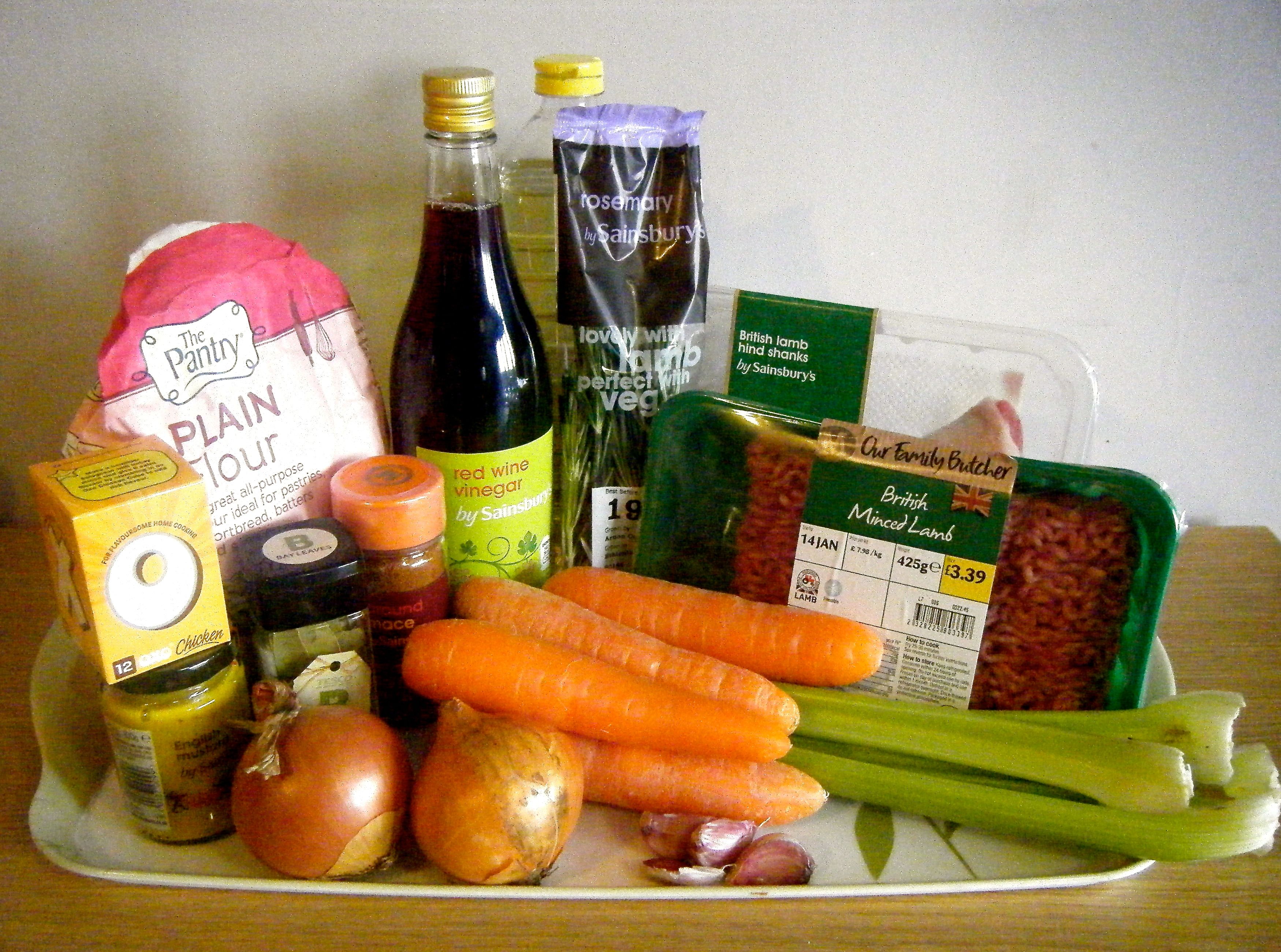
The recipe uses the following ingredients:-

  • 2 lamb shanks
  • 100g plain flour, for dusting (see comments below)
  • Vegetable oil, for frying
  • 4 sticks celery, any tough skins removed and finely diced
  • 4 carrots, finely diced
  • 2 onions, finely diced
  • 4 cloves garlic, grated
  • 4 tsp ground mace
  • 3 fresh bay leaves
  • 600ml brown chicken stock
  • 500g lamb mince
  • 4-5 sprigs of rosemary, tied together with kitchen string
  • 100ml red wine vinegar
  • 2 tbsp English mustard
  • 1.5 kg potatoes, peeled and cut into even chunks of about 4cm
  • 100ml milk
  • 100g butter
  • 75g grated parmesan, or 75g diced goat’s cheese
  • Paprika, to dust

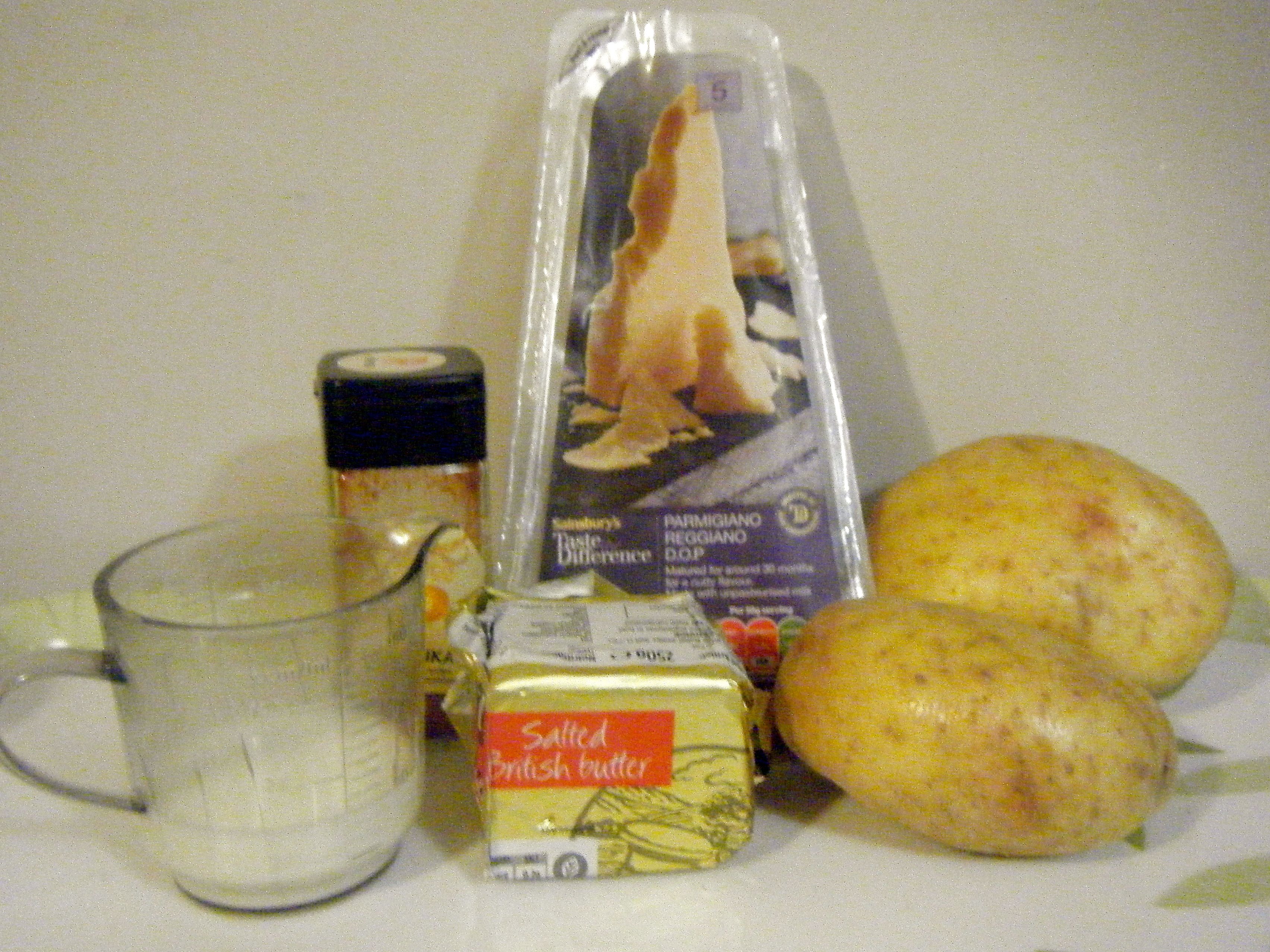
Edited - ingredients 1 Edited - ingredients 2

This recipe takes quite a long time to make with the option to rest it over night.  I decided to make it on a Sunday so we could enjoy it for dinner after work on the Monday.   It was ideal for a lazy Sunday where I could spend the day bobbing in and out of the kitchen. 

Practical Tip: The recipe makes enough to feed 4-6 people and I therefore decided to make the ‘filling’ using the quantities listed above.  However, I reduced the mashed potato topping ingredients to make enough just for me and the other half.  The left over filling went into the freezer to be used another time.

The first stage of the recipe is to braise the lamb shanks.  To do this I coated the lamb shanks in flour and fried them off until browned.  The recipe states that you need 100g plain flour.  I didn’t need anywhere near this amount and just ended up wasting a lot of the flour! I’d recommend trying approximately 25g and you can always add more if needed.

 Edited - browning lambEdited - browning

Whilst the lamb was browning, I prepared one half of the celery, carrots, onion and garlic.

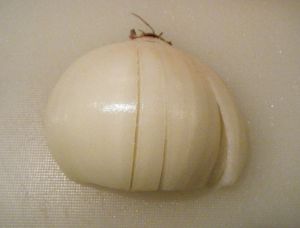
Practical Tip: to finely dice onions, chop off the tunic end, chop the onion in half through the basal plate and peel (see image below to see which parts are which under these silly names!).  Then place the onion half flat side down on the chopping board.  Slice lines which are perpendicular to the basal plate but without slicing through the basal plate itself.  Then slice the onion parallel to the basal plate and voila you will have finely diced onions. 

Screen Shot 2015-01-11 at 15.06.18

Edited - onion

Lines sliced perpendicular to the basal plate

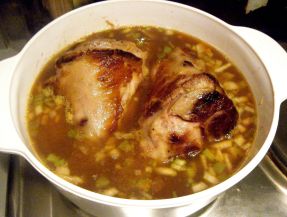
Once the lamb was browned I put it to one side.  I then heated my casserole dish with some oil in and added the chopped vegetables. After these had softened, I added the remaining braising ingredients along with the lamb and when it reached boiling point, I covered the dish and popped it in the oven for 3 and a half hours.

 Edited - chopped vegEdited - braising

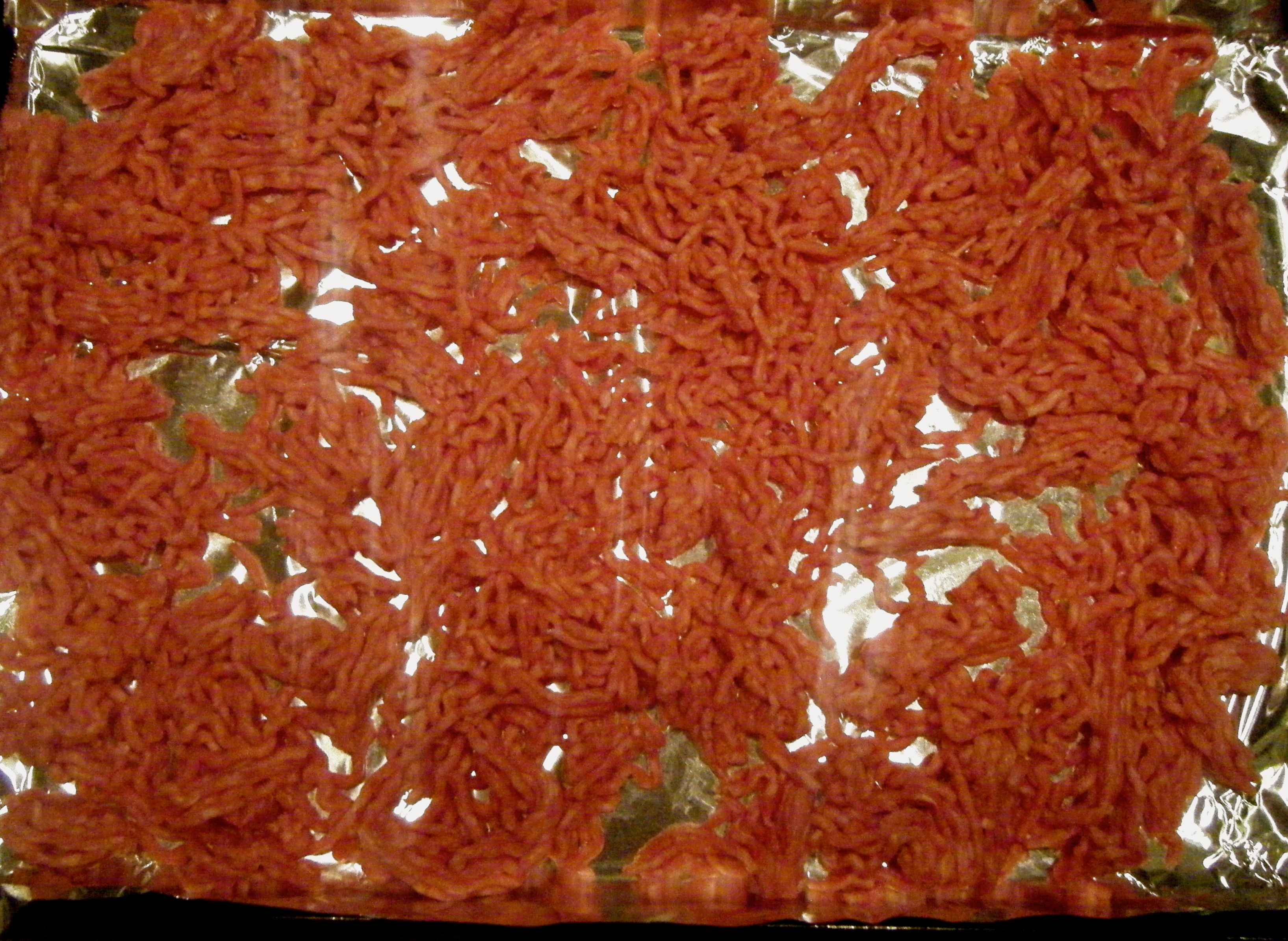
When the timer went off, I removed the dish and popped it on the side to rest for an hour.  About half hour in I turned the oven to 200 degrees celsius and roasted the minced lamb for approximately 20 minutes.  Once the minced lamb was nicely browned, I drained it and put this to one side.

 Edited - lamb ovenEdited - Browned mince

This timed well with the end of the hour resting period for the lamb shanks.  I removed them from the casserole dish, placed them on a chopping board and strained the braising liquid into a glass bowl.

Edited - straining

Now the recipe doesn’t tell you what to do with the vegetables which are strained out of the braising liquid.  Once again, I decided to give my mum a quick ring (I think this may be a reoccurring theme throughout Challenge 52!).  My mum confirmed that the vegetables don’t go back into the final dish but also that you don’t necessarily have to throw them away.  Mum suggested making some gravy but I decided to freeze the mix and when I next have some spare potatoes and vegetables in, I’m going to make some soup.

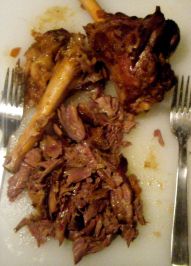
With my minced meat and braising liquid ready, I shredded the lamb shanks with a fork.  I found that some of the skin from the lamb shank was a bit fatty and I decided to remove this and throw it away with the bones.  I then added the shredded lamb to my mince ready to be used later.
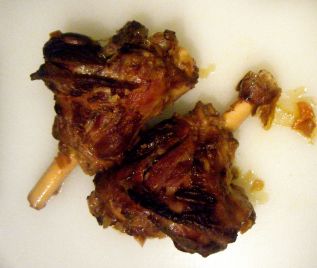
Edited - lamb braised Edited - pulled lamb

By the time I had completed all the above steps, my casserole dish was cool enough to wash.  I also took this opportunity to have a bit of a clean up in the kitchen.  As I’ve previously said, my kitchen is tiny and I was cooking this at the same time as making a homemade bolognese so things had gone from slightly messy to full on bomb site!

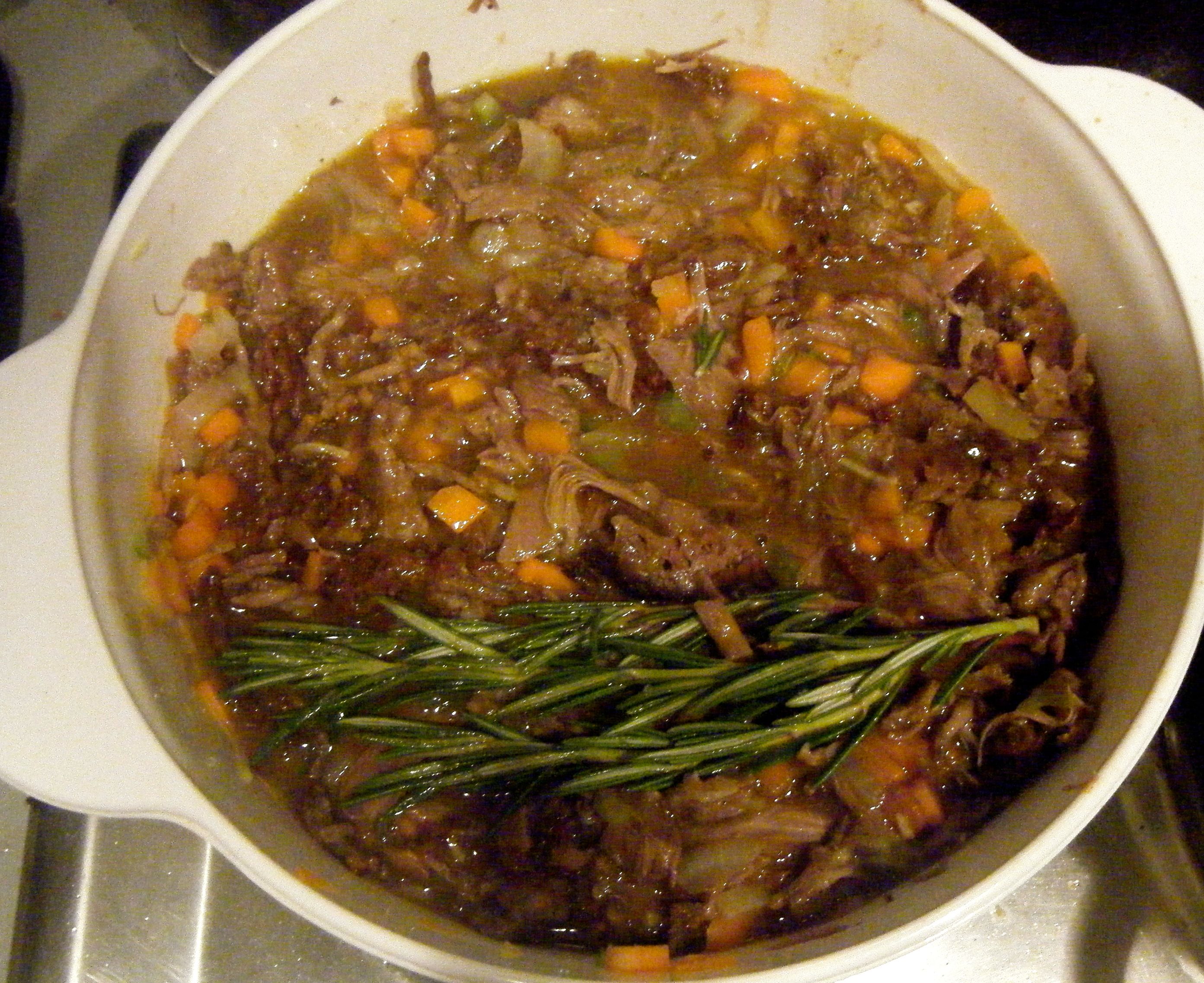
With some of the washing up done, I set to work on the next stages of the shepherds pie.  I prepared the second half of my vegetables and heated some oil in my casserole dish.  I cooked the vegetables, added the lamb and rosemary (without the string because I didn’t have any) and then the red wine vinegar.  The recipe said to simmer the mixture until the red wine vinegar had almost entirely evaporated but when I added it, it sank to the bottom of the dish and I couldn’t see it! So I just let it simmer for about 5 minutes before adding the strained braising liquid.

Edited - in the pot

I brought the mixture to the boil and set the timer for one hour, although I kept checking on it during this time.  As I neared the end of the hour, most of the liquid had gone and I made the decision not to leave it for another hour as suggested by the recipe.  I added the mustard, some seasoning, gave it a good stir and left it to cool before putting it in the fridge for the night. 

Practical tip: the recipe says to transfer to an oven proof dish at this stage but I decided to leave it in the casserole dish overnight.  As I was only going to cook a 2 person portion (and freeze the remainder), it seemed an unnecessary step which would only result in even more washing up.

The next evening, I got home from work and pulled out my casserole dish from the fridge to let it come up to room temperature.  I got my potatoes prepared and once my salted water reached boiling point in they went for around 20-25 minutes.

Whilst the potatoes were cooking I transferred my filling into my serving dish and portioned up the leftovers to go in the freezer.

Edited - dish

Once my potatoes were done, I drained them and left then for 5 minutes to dry.

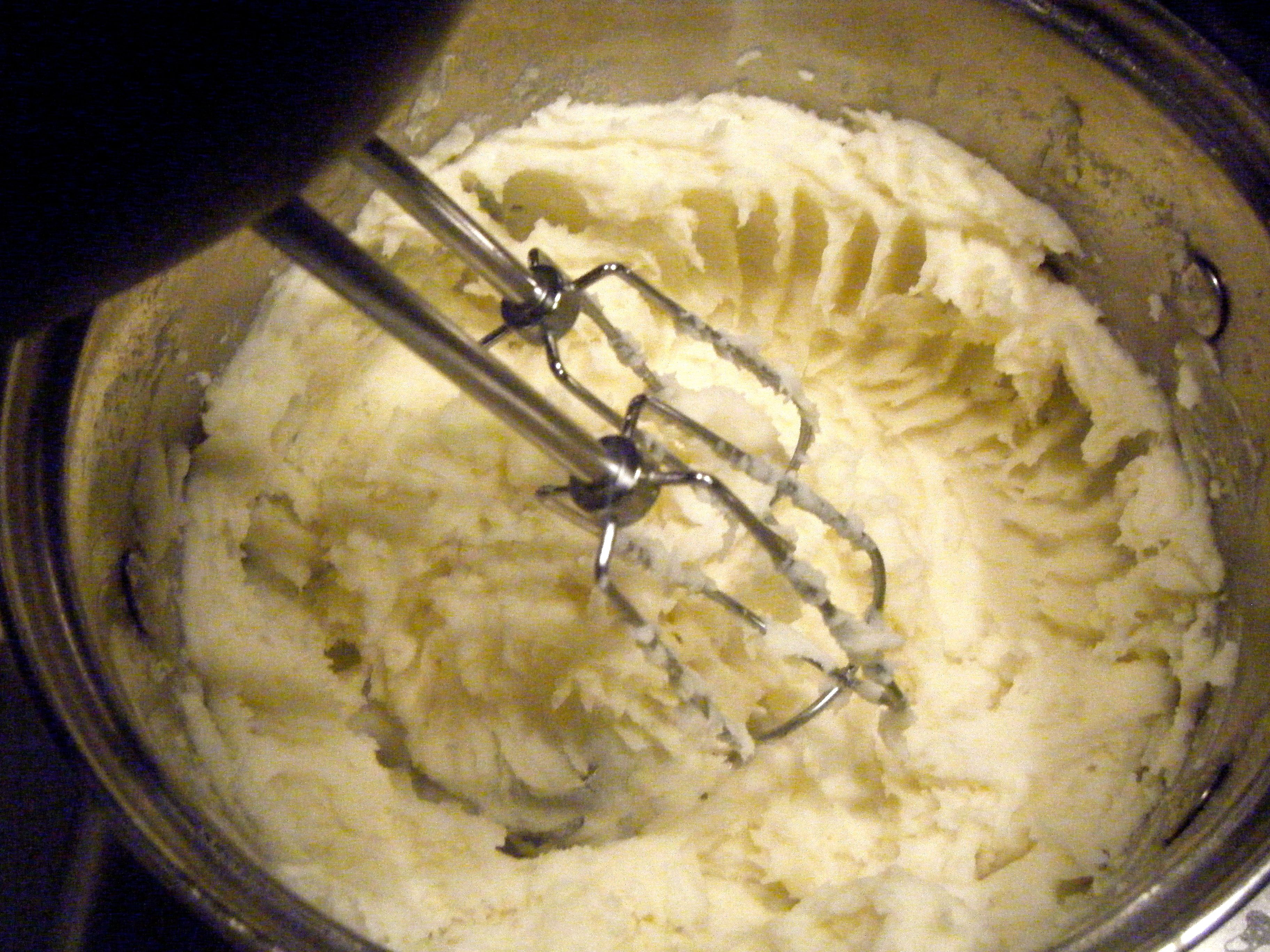
I heated my milk and butter, mashed my potatoes and then combined the two.  I added in a sneaky extra step here.  My boyfriend is not the biggest fan of mash potato.  Apparently his gran (who unfortunately passed away before I got to meet her) set the bar very high and made the BEST mash potatoes.  No matter what I have tried I’ve never managed to meet her standard!  So in an attempt to get one step closer, I decided to blitz the mash with my hand mixer.

Edited - mash

With the mash ready to go, I decided to be a bit posh and pipe it onto my filling.  I had a bit more mash than necessary so I did a few blobs on top of the lined piping.  However, this all seemed a bit unnecessary as when I added the parmesan and paprika, you could no longer see the piping! Still it was good fun 🙂

Edited - pipped

I popped the finished product into the oven for the final 30 minutes of cooking and then we tucked in. 
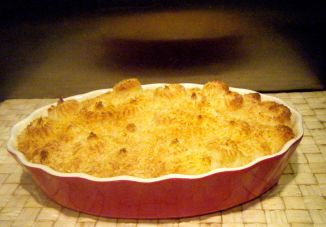
Edited - cooked

It was absolutely delicious and so rich in flavour.  The mash potato was even a success 🙂

I will admit this recipe involves a lot of effort but it is so worth it.  The skills involved aren’t very advanced its just takes a bit of time.  However, by making the full batch of filling and freezing the leftovers, I now have a couple of really easy midweek dinners that I can just top with mash and pop in the oven.

Coming up next week, Challenge No. 09 – gluten free date, banana and rum loaf (made without rum but with Disaronno!).  Hope to see you then.